
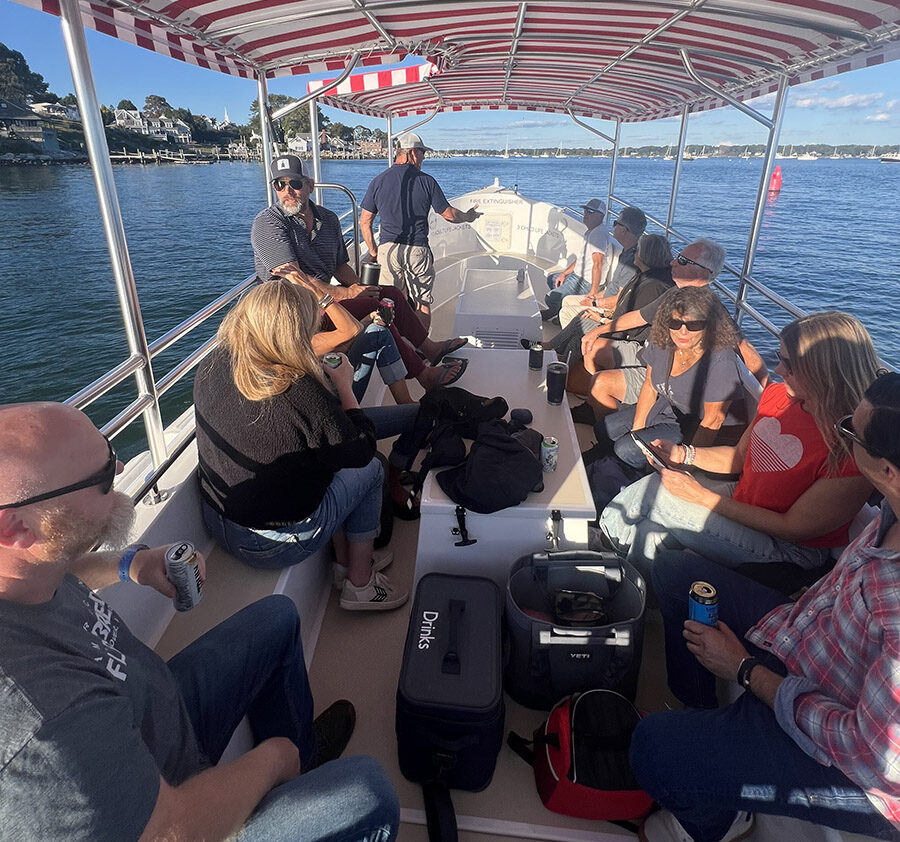
History of the Mystic Water Taxi Fleet
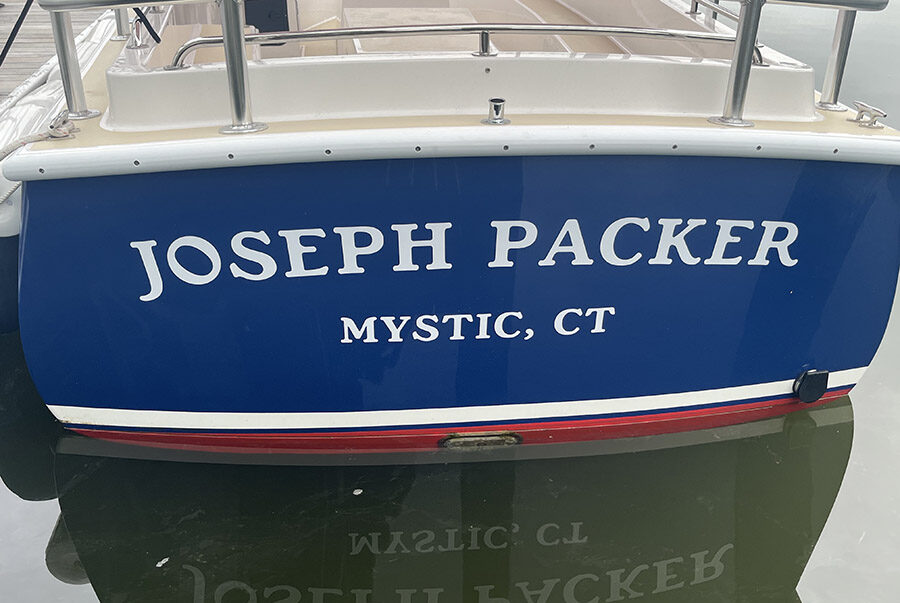
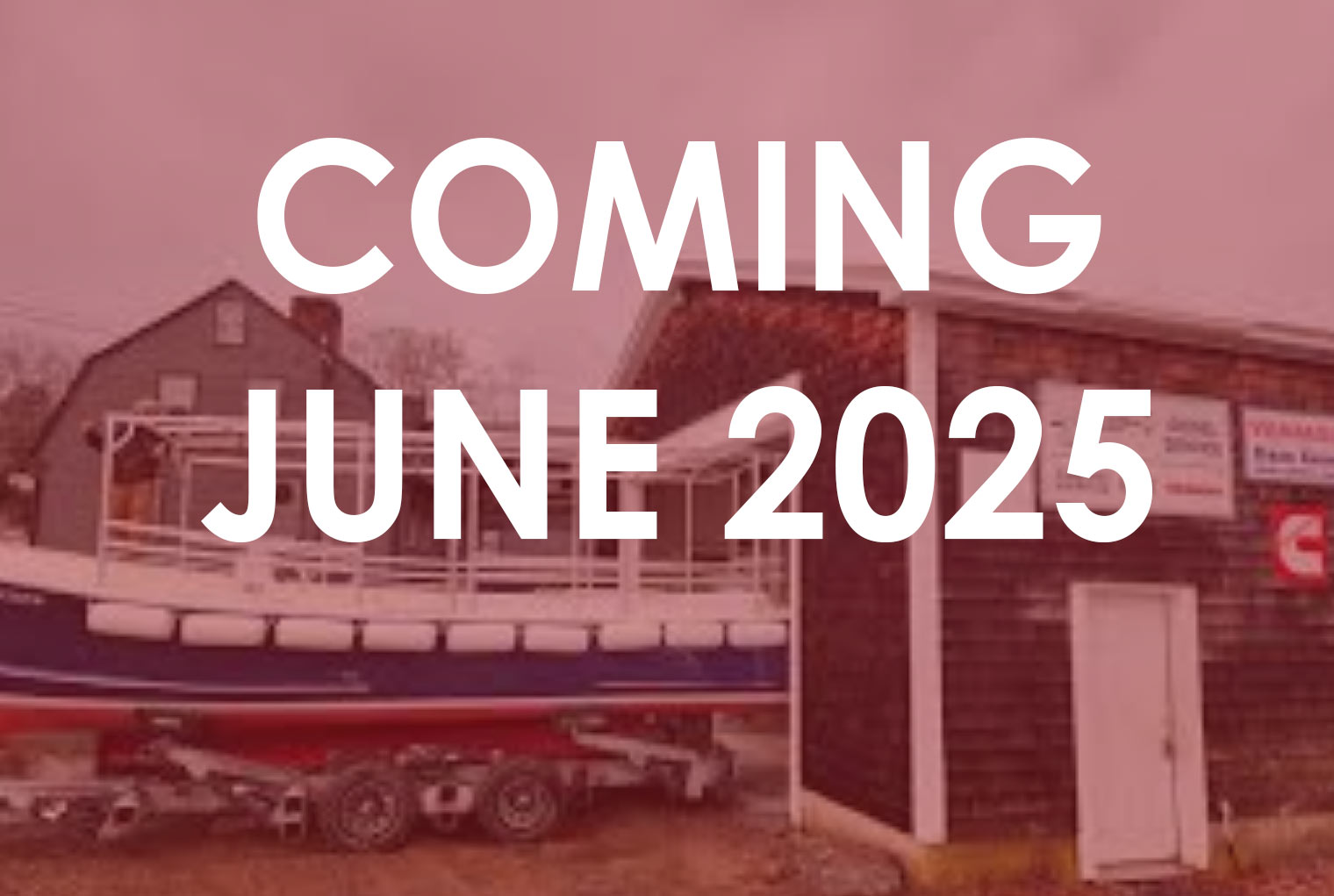
37 Water St was the location of Joseph Packer’s ferry. The Continental Congress (British Court) approved the ferry in 1768. This was before any bridges spanned the river. Folks going from NYC to Boston would take the ferry and stay at the Daniel Packer Inn (now a bar and restaurant), run by his brother Capt Danielle Packer. This is the reason the boat that goes across the river is named the “Joseph Packer”.
The town and river at that time were named “Mistick” (name of our second boat). The ferry went across the section of the river known as the “narrows” to “Pistol Point”, which is where the restaurant Red 36 sits.
The Packer brothers fought in the Revolutionary War. George Washington even stayed at the Danielle Packer Inn. The regiment/division of soldiers from this area to fight as minutemen in the Revolutionary army reported as the “Swamp Yankees”. Thus the reason for our 3rd boat name, Swamp Yankee.
After more than 250 years, Joseph Packer is ferrying people across the river again.

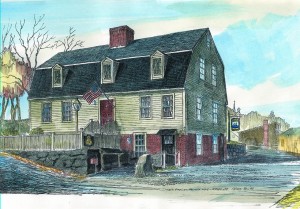
The Captain Daniel Packer Inne was built on the Mystic River over 250 years ago. Square-rigger Captain Daniel Packer completed construction of the building bordering Water Street in 1756. From that time to the late 1900’s the property remained in the Packer family and their descendants, The Keelers. The Inne was restored in the 1980’s by Richard and Lulu Kiley, and remains in the family today.
Today we invite travelers from near and far to step back in time with us and experience the fine fare and hospitality guests at the Daniel Packer Inne experienced over 200 years ago.
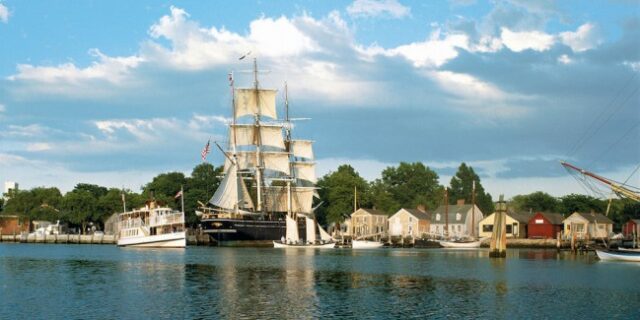
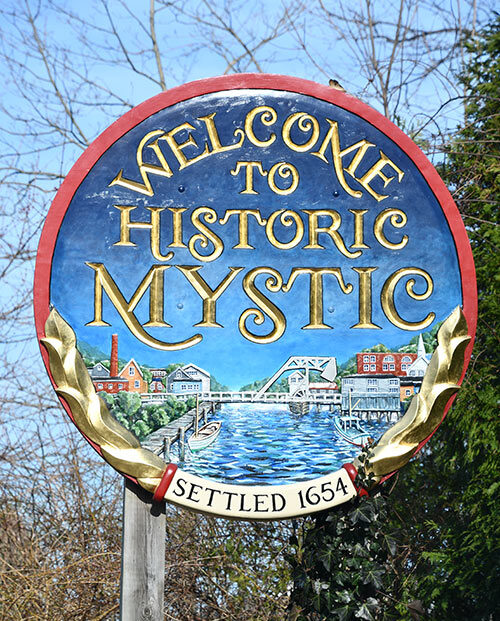
Mystic, Connecticut, has a rich history rooted in maritime activity and Native American heritage. Settled in 1654 by early settlers, it quickly became a hub for shipbuilding and whaling, with its prominent location at the mouth of the Mystic River playing a key role in its development. The name “Mystic” itself is derived from the Pequot word “missi-tuk,” meaning “great tidal river”.
Mystic, Connecticut, nestled along the scenic Mystic River, boasts a rich tapestry of history that mirrors the evolution of New England itself. From its indigenous roots to its maritime prominence, Mystic offers a captivating journey through time.
Indigenous Heritage and Early Encounters
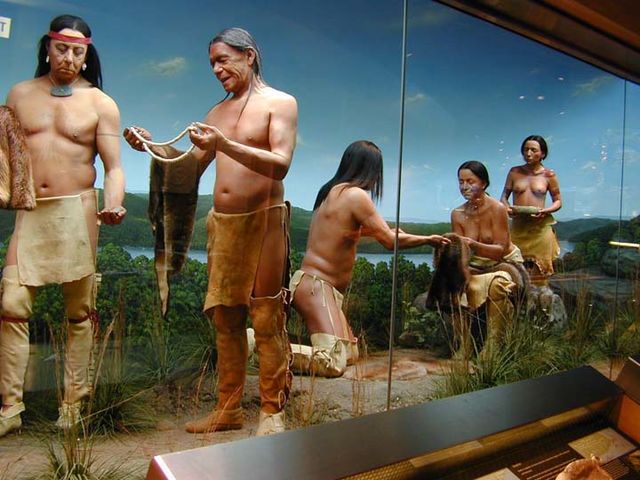
Long before European settlers arrived, the Pequot people thrived in the region, establishing fortified villages like Siccanemos along the Mystic River. The river’s name, “Mystic,” derives from the Pequot term “missi-tuk,” meaning “a large river whose waters are driven into waves by tides or wind.” This nomenclature reflects the river’s tidal nature and its significance to the Pequot. However, the tranquility was shattered in 1637 during the Pequot War, culminating in the tragic Mystic Massacre, where colonial and allied forces decimated the Pequot fort, leading to profound and lasting impacts on the tribe. Wikipedia+1Wikipedia+1Wikipedia+1Wikipedia+1
Maritime Ascendancy
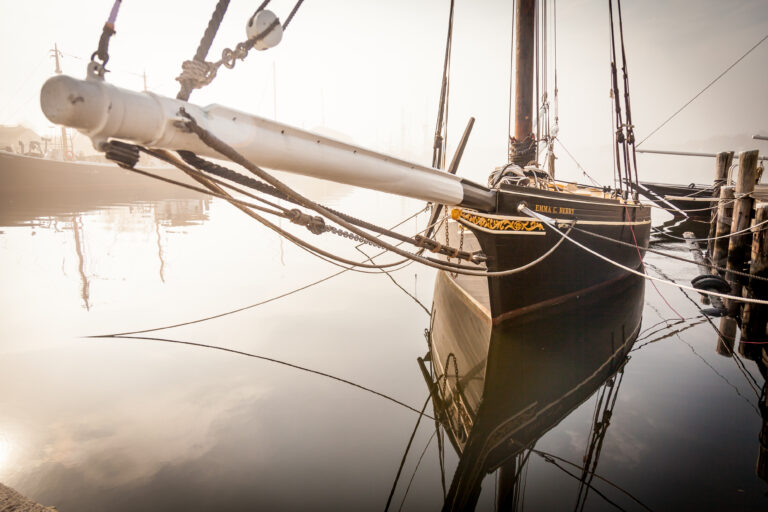
By the late 18th century, Mystic had transformed into a bustling shipbuilding hub. Between 1784 and 1919, over 600 vessels were constructed along the Mystic River, marking the town as a cornerstone of American maritime enterprise. The river’s strategic location and depth facilitated this boom, with shipyards lining its banks and contributing significantly to the local economy. Mystic Seaport Museum
The advent of steam power and the decline of wooden shipbuilding post-Civil War led to a shift in Mystic’s industrial focus. Textile manufacturing emerged as a dominant industry, but the town’s maritime legacy remained deeply ingrained in its identity.Mystic Seaport Museum
Mystic Seaport Museum: Preserving Nautical Heritage
Recognizing the importance of preserving Mystic’s rich maritime history, three local visionaries established the Marine Historical Association in 1929, now known as the Mystic Seaport Museum. Spanning 19 acres, the museum is the largest maritime museum in the United States. It houses an impressive collection of historic vessels, including the 1841 whaleship Charles W. Morgan, the nation’s oldest commercial ship. Visitors can explore a recreated 19th-century seafaring village, witness traditional shipbuilding techniques, and delve into maritime art and artifacts. Wikipedia+2Wikipedia+2Mystic Seaport Museum+2Wikipedia+1Condé Nast Traveler+1
The Iconic Mystic River Bascule Bridge
A defining feature of Mystic’s landscape is the Mystic River Bascule Bridge. Completed in 1922, this movable bridge was designed by Thomas Ellis Brown and constructed by the J.E. FitzGerald Construction Company. Spanning 218 feet, the bridge employs a counterweighted mechanism, allowing it to lift for passing vessels approximately 2,200 times annually. Its unique design and frequent operation make it both a functional infrastructure piece and a beloved local landmark. CTHistory+3Wikipedia+3Wikipedia+3Wikipedia+1CTHistory+1
Modern Mystic: A Blend of History and Culture
Today, Mystic seamlessly blends its historical roots with contemporary charm. The town’s vibrant downtown area boasts a plethora of shops, galleries, and eateries, reflecting a thriving arts and culinary scene. The Mystic Aquarium, renowned for its marine life exhibits, and the Mystic Museum of Art further enrich the town’s cultural offerings. Annual events and festivals celebrate Mystic’s heritage, drawing visitors eager to experience its unique blend of past and present.
Explore Mystic with Mystic Water Taxi
For those wishing to immerse themselves in Mystic’s rich tapestry, the Mystic Water Taxi offers a unique vantage point. Glide along the historic Mystic River, taking in sights of the iconic bascule bridge, the storied shipyards, and the picturesque waterfront. Whether you’re a history enthusiast, a maritime aficionado, or simply seeking a serene journey through one of New England’s gems, Mystic Water Taxi provides an unforgettable experience.
Mystic, Connecticut, nestled along the scenic Mystic River, boasts a rich tapestry of history that mirrors the evolution of New England itself. From its indigenous roots to its maritime prominence, Mystic offers a captivating journey through time.
Indigenous Heritage and Early Encounters
Long before European settlers arrived, the Pequot people thrived in the region, establishing fortified villages like Siccanemos along the Mystic River. The river’s name, “Mystic,” derives from the Pequot term “missi-tuk,” meaning “a large river whose waters are driven into waves by tides or wind.” This nomenclature reflects the river’s tidal nature and its significance to the Pequot. However, the tranquility was shattered in 1637 during the Pequot War, culminating in the tragic Mystic Massacre, where colonial and allied forces decimated the Pequot fort, leading to profound and lasting impacts on the tribe. Wikipedia+1Wikipedia+1Wikipedia+1Wikipedia+1
Maritime Ascendancy
By the late 18th century, Mystic had transformed into a bustling shipbuilding hub. Between 1784 and 1919, over 600 vessels were constructed along the Mystic River, marking the town as a cornerstone of American maritime enterprise. The river’s strategic location and depth facilitated this boom, with shipyards lining its banks and contributing significantly to the local economy. Mystic Seaport Museum
The advent of steam power and the decline of wooden shipbuilding post-Civil War led to a shift in Mystic’s industrial focus. Textile manufacturing emerged as a dominant industry, but the town’s maritime legacy remained deeply ingrained in its identity.Mystic Seaport Museum
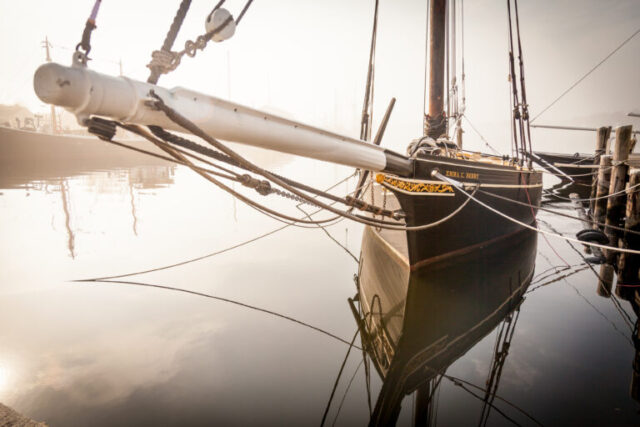
Mystic Seaport Museum: Preserving Nautical Heritage
Recognizing the importance of preserving Mystic’s rich maritime history, three local visionaries established the Marine Historical Association in 1929, now known as the Mystic Seaport Museum. Spanning 19 acres, the museum is the largest maritime museum in the United States. It houses an impressive collection of historic vessels, including the 1841 whaleship Charles W. Morgan, the nation’s oldest commercial ship. Visitors can explore a recreated 19th-century seafaring village, witness traditional shipbuilding techniques, and delve into maritime art and artifacts. Wikipedia+2Wikipedia+2Mystic Seaport Museum+2Wikipedia+1Condé Nast Traveler+1
The Iconic Mystic River Bascule Bridge
A defining feature of Mystic’s landscape is the Mystic River Bascule Bridge. Completed in 1922, this movable bridge was designed by Thomas Ellis Brown and constructed by the J.E. FitzGerald Construction Company. Spanning 218 feet, the bridge employs a counterweighted mechanism, allowing it to lift for passing vessels approximately 2,200 times annually. Its unique design and frequent operation make it both a functional infrastructure piece and a beloved local landmark. CTHistory+3Wikipedia+3Wikipedia+3Wikipedia+1CTHistory+1
Modern Mystic: A Blend of History and Culture
Today, Mystic seamlessly blends its historical roots with contemporary charm. The town’s vibrant downtown area boasts a plethora of shops, galleries, and eateries, reflecting a thriving arts and culinary scene. The Mystic Aquarium, renowned for its marine life exhibits, and the Mystic Museum of Art further enrich the town’s cultural offerings. Annual events and festivals celebrate Mystic’s heritage, drawing visitors eager to experience its unique blend of past and present.
Explore Mystic with Mystic Water Taxi
For those wishing to immerse themselves in Mystic’s rich tapestry, the Mystic Water Taxi offers a unique vantage point. Glide along the historic Mystic River, taking in sights of the iconic bascule bridge, the storied shipyards, and the picturesque waterfront. Whether you’re a history enthusiast, a maritime aficionado, or simply seeking a serene journey through one of New England’s gems, Mystic Water Taxi provides an unforgettable experience.
© 2025 Mystic Water Taxi. All Rights Reserved. Website by Visitivity Inc. • Terms & Conditions • Privacy Policy
Refunds are available only if the trip is cancelled due to inclement weather, or at the captains discretion.